青柳菜摘《関係名デモンストレーション》
Natsumi Aoyagi “Language for Our Relation: A Demonstration”
(2025)
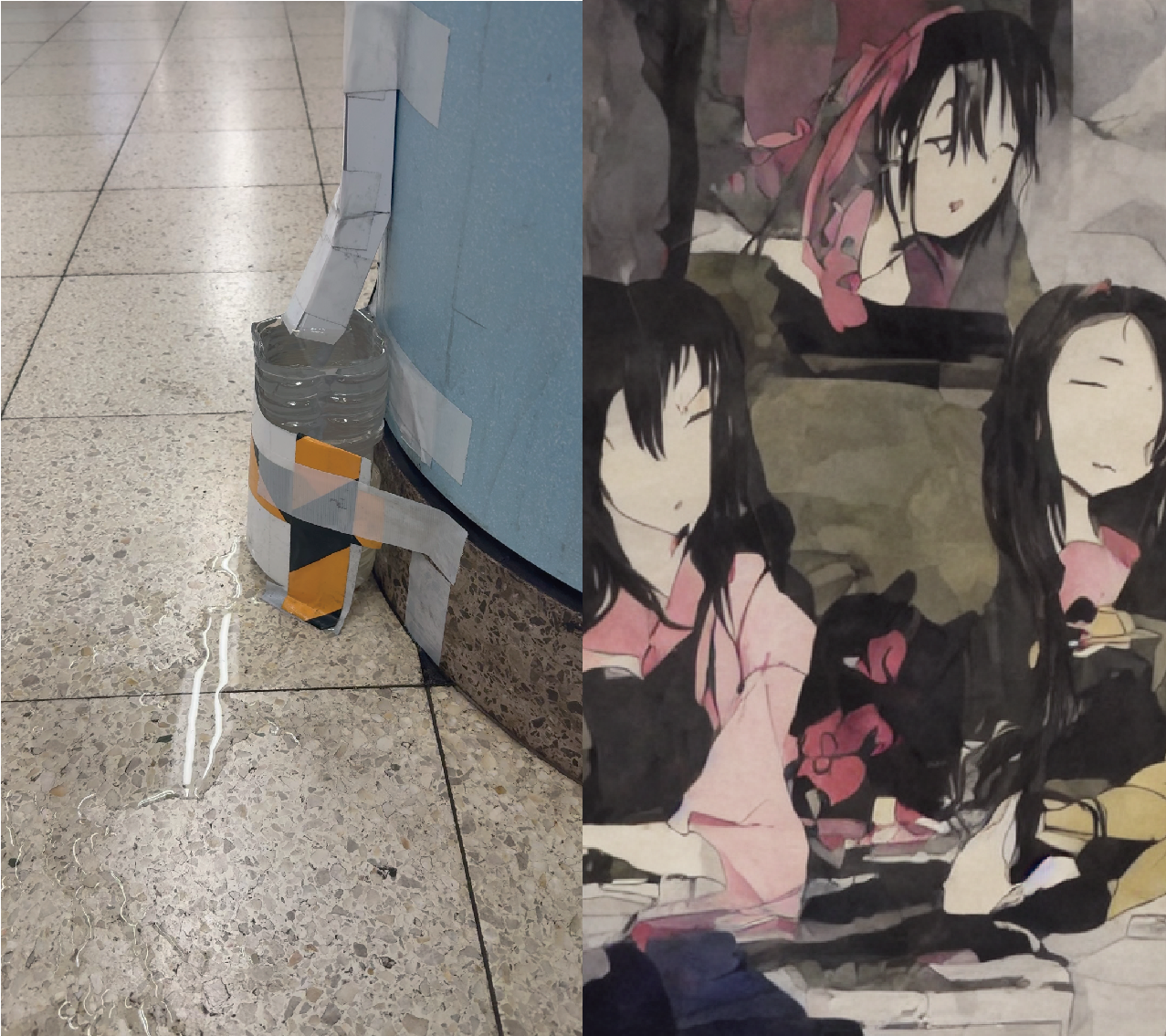
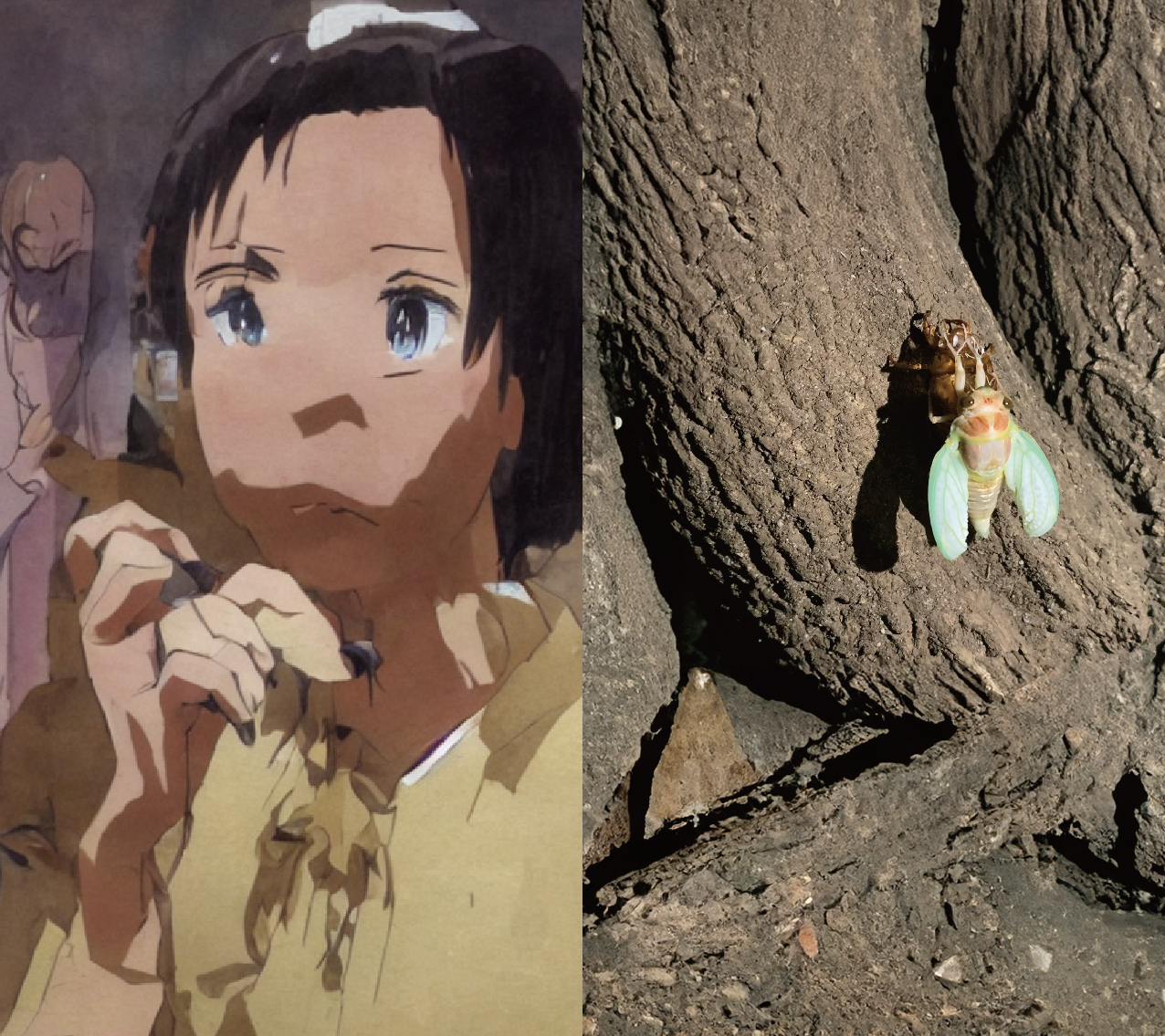
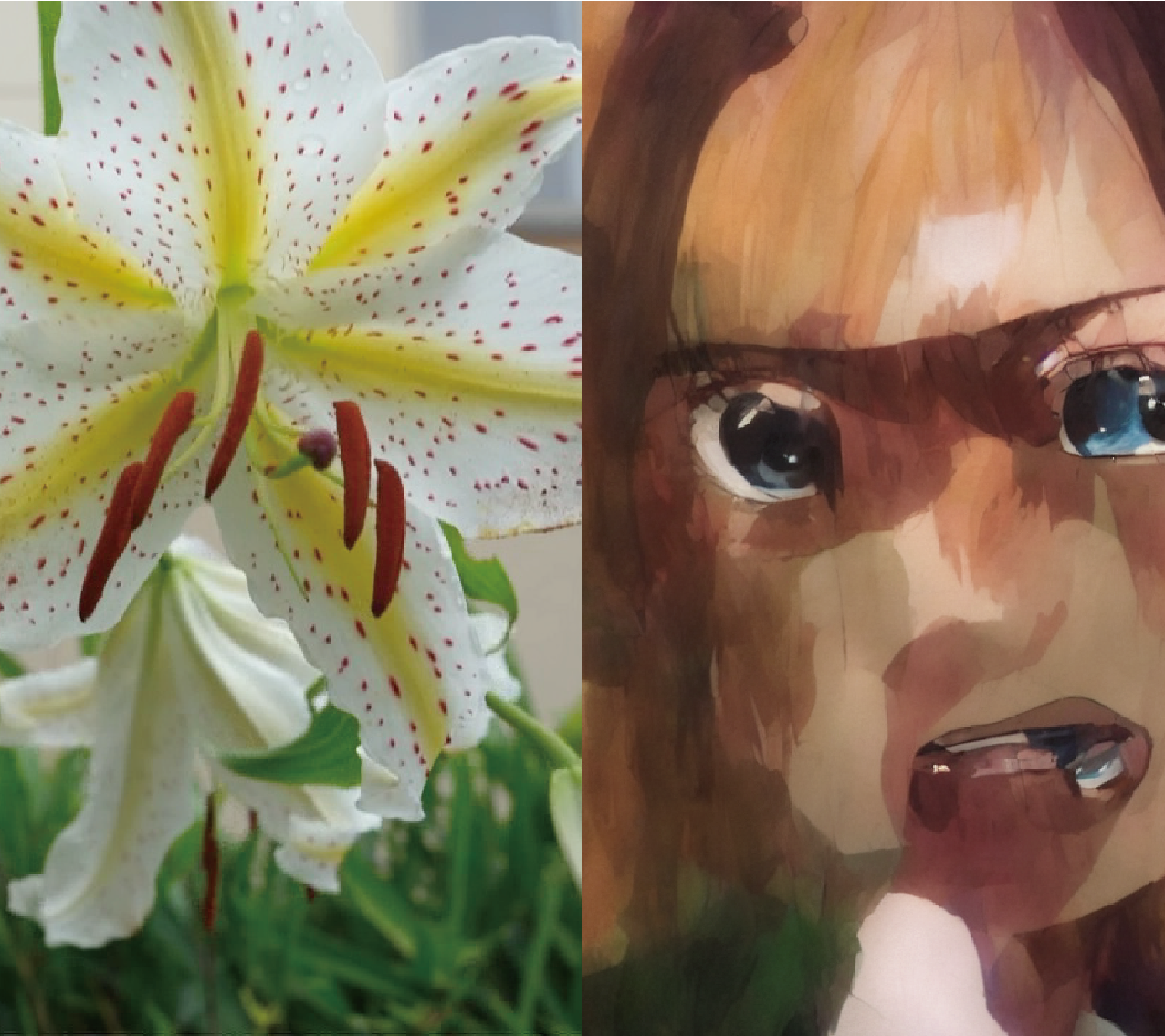
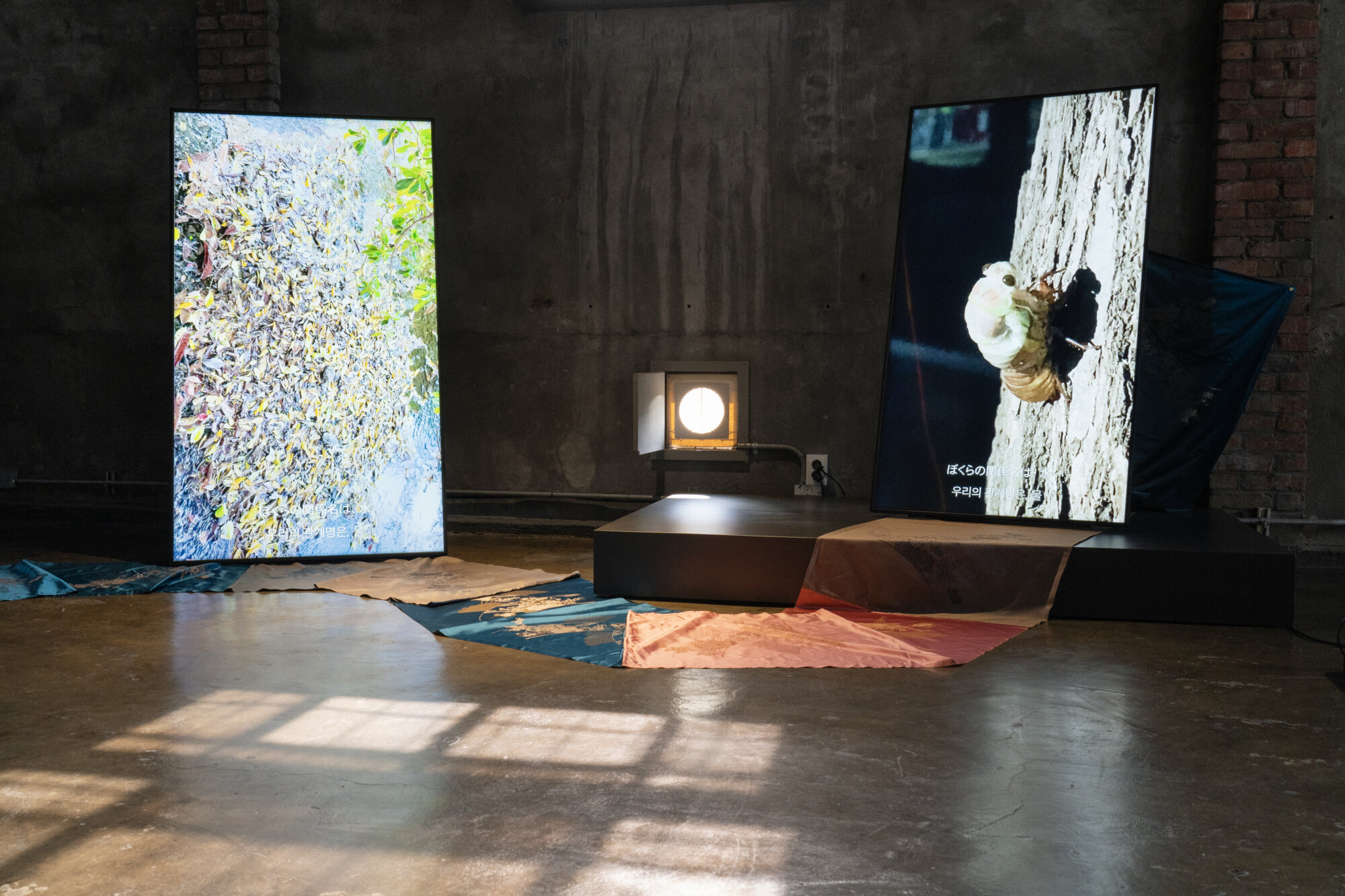
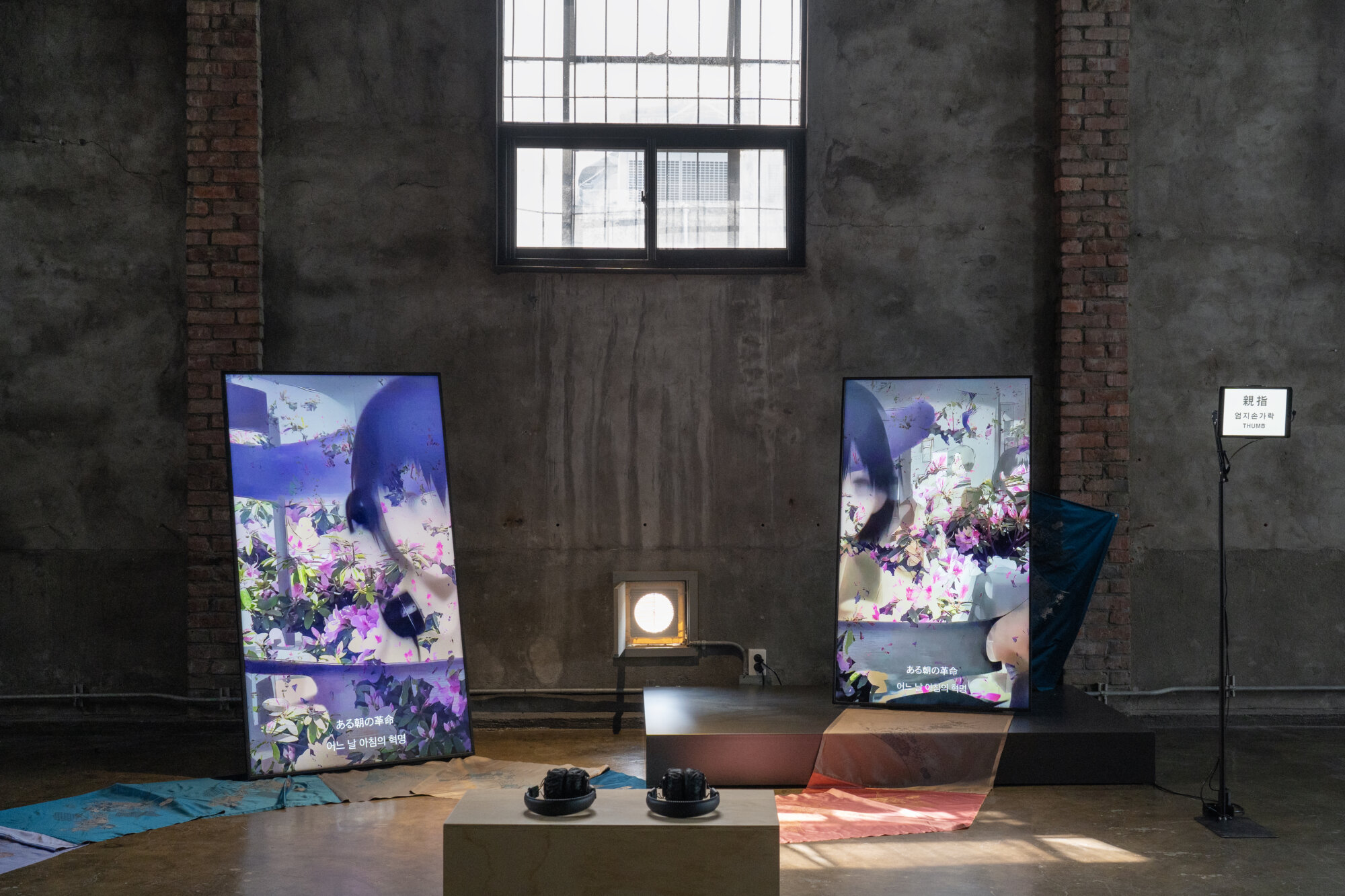
Three-channel video(2 mointors and 1 tablet), color, sound, 5min., with dismantled wedding cushions
日本において、身分を証明する戸籍制度は本質的には「個人」の登録ではなく、「家」を示すものである。「戸籍」をとりまく制度の変遷や人の存在定義を俯瞰するなかで、関係性それ自体にことばを与える「関係名」という制度を提示してみたい。それは、人間が「個人」として生きることと、生きものの生が差を生むことなく存在しうる考え方の一端になるかもしれない。関係と関係と関係がことばを生み続けていく。
In Japan, the koseki (family registry) system, which serves to certify identity, is not fundamentally a record of the individual, but of the household. By surveying the shifts in this system and how human existence is defined within it, I propose a new system: “relation-naming”, a way of giving language to relationships themselves. This may offer a glimpse into a way of thinking in which a human being lives not merely as an individual, and in which the lives of all living beings can exist without hierarchy or separation. Relation and relation and relation, endlessly giving birth to words.
Reference
向田邦子(脚本)、和田勉(演出)「阿修羅のごとく」テレビドラマ、NHK、1979年
「桃太郎」日本各地に伝わる、桃から生まれた子どもの異常誕生譚(口承)
Credit
原作:青柳菜摘「関係名デモンストレーション」『文學界』2025年8月号、文藝春秋
参考論考:青柳菜摘「セルフデモクラシー」『現代詩手帖』2025年7月号、思潮社
アニメーション生成 Stable Diffusion
学習/モデル LoRA(Kohya’s GUI)
音声 CoeFont(黄琴海月【うるとら】)
撮影・編集・文章 青柳菜摘
*タブレット端末に表示される名称は、昔話や伝承に登場する姫や「異常誕生譚」に登場する子どもの物語から取り、既に登録された「関係名」のリストとして表示しています。
Reference
Kuniko Mukoda (Screenplay), Ben Wada (Director), Asura no Gotoku (TV drama), NHK, 1979
Momotaro — an oral miraculous birth tale, transmitted across Japan, about a child born from a peach
Credit
Based on: Natsumi Aoyagi, Language for Our Relation: A Demonstration, Bungakukai, August 2025, Bungeishunju
Reference Essay: Natsumi Aoyagi, Self-Democracy, Gendai-shi Techo, July 2025 issue, Shichōsha
Animation: Stable Diffusion
Training / Model: LoRA (Kohya’s GUI)
Voice: CoeFont (Kikoto Kurage [Ultra])
Filming, Editing, Text: Natsumi Aoyagi
*The names displayed on the tablet device are drawn from folktales of princesses and from miraculous birth tales, presented as a list of already-registered “relation names.”